Wireless vs Wired Intruder Alarms: Which Is Right for Your Business
3rd December 2025
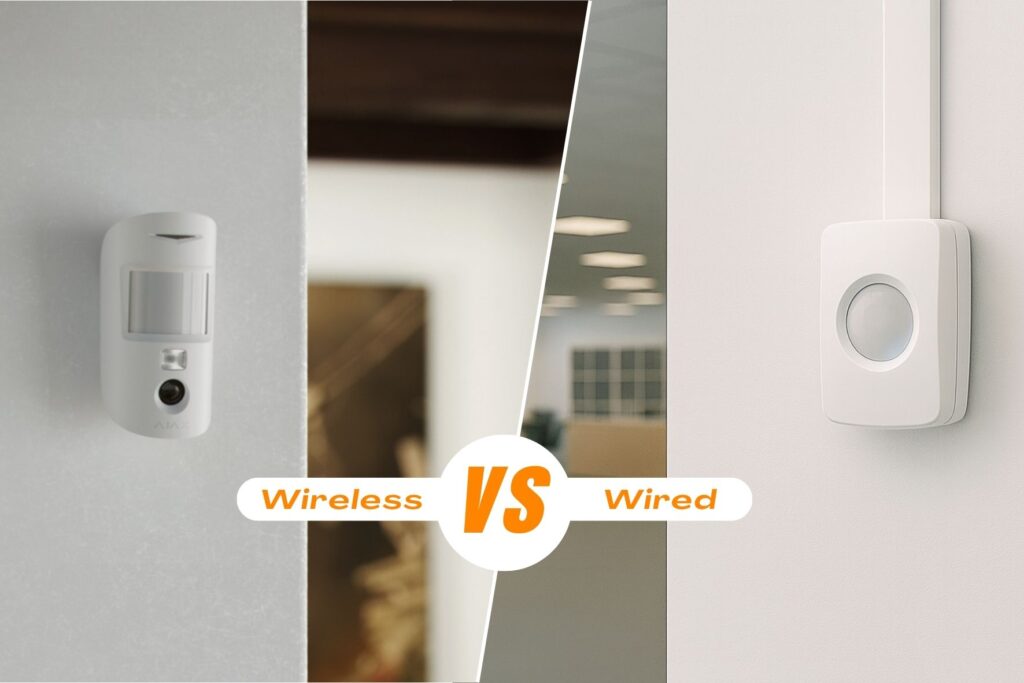
Security is a core responsibility for every organisation, whether you manage a large industrial facility, a healthcare estate, a heritage property or a commercial office. A reliable intruder alarm system is one of the most important parts of your security strategy, offering deterrence and rapid alerting to prevent loss, damage and disruption.
One of the key decisions when installing or upgrading an alarm system is whether to choose a wired or wireless solution. Both provide strong protection, but with advances in technology, particularly systems like Ajax, wireless intruder alarms are increasingly seen as the future.
This guide explains the differences, benefits and limitations of wired and wireless alarms, helping you choose the right solution for your business.
What Are Wired Intruder Alarms?
Wired intruder alarms are the traditional choice. All devices, including PIR motion sensors, door contacts, keypads and sounders, are hard-wired back to a central control panel.
Advantages of Wired Alarms
- Longstanding reliability as cabling provides a stable connection not subject to interference
- No battery changes required
- Well suited to high-security environments
- Fully compliant with PD 6662:2017 and BS 8243:2021 for monitored systems
Things to Consider
- Installation can be disruptive as cabling is required
- Higher upfront costs due to labour and materials
- Limited flexibility once installed
Best Suited For
- Large commercial or industrial facilities
- Healthcare environments requiring maximum reliability
- New-build projects where cabling can be designed in
What Are Wireless Intruder Alarms?
Wireless intruder alarms use encrypted radio signals to connect devices to a central control panel. Each sensor has a long-life battery, allowing installation with minimal disruption.
Modern systems like Ajax have advanced wireless technology, making them as reliable as wired solutions when installed correctly. Wireless systems can now even achieve Grade 3 certification, making them suitable for high-security applications.
Advantages of Wireless Alarms
- Fast, clean installation with minimal downtime
- High flexibility, as devices can be moved, replaced or added easily
- Ideal for heritage or listed buildings where cabling is restricted
- Fully compliant with PD 6662:2017 and BS 8243:2021 for monitored systems
- Future-proof technology that adapts to changing business needs
Things to Consider
- Battery maintenance is minimal with modern long-life batteries
- Signal interference is rare when installed correctly
Best Suited For
- Heritage or listed buildings
- Sites where downtime must be avoided
- Businesses expecting layout changes or expansion
- Temporary installations or modular buildings
Wired vs Wireless: A Direct Comparison
| Feature | Wired Systems | Wireless Systems |
|---|---|---|
| Installation | Invasive, can disrupt operations | Fast, non-invasive |
| Reliability | Very high | Equally high with modern systems like Ajax |
| Compliance | PD 6662:2017, BS 8243:2021 | PD 6662:2017, BS 8243:2021 |
| Upfront Cost | Higher due to cabling | Lower due to faster installation |
| Lifetime Cost | Low, no batteries | Comparable with modern long-life batteries |
| Maintenance | Cable inspections | Occasional battery checks |
| Flexibility | Limited | High |
| Best For | Industrial, healthcare, new-builds | Heritage, flexible layouts, live environments |
Why Wireless Is the Future
Wireless alarms are no longer “second best”. With systems like Ajax, wireless solutions are as reliable as wired, even for high-security applications, and can now achieve Grade 3 certification. They provide flexibility, fast installation and minimal disruption, making them ideal for modern businesses.
That said, wired alarms still have their place. For high-risk areas, new-build projects or locations with very strict security or insurance requirements, wired systems remain a strong choice.
Sometimes a hybrid approach combining wired devices in core areas and wireless devices in harder-to-reach locations offers the best solution.
Why Choose T H WHITE Energy, Fire & Security?
With experience across healthcare, industrial, heritage and commercial sectors, EFS provides compliant and professionally designed intruder alarm solutions. Clients choose us because we:
- Ensure installations comply with PD 6662:2017 and BS 8243:2021
- Plan installations to minimise disruption including out-of-hours work
- Offer full lifecycle support covering design, installation, monitoring, testing and maintenance
- Combine more than 190 years of engineering experience with modern security technology
Next Steps
Every site is unique. Choosing the wrong intruder alarm system can lead to unnecessary costs or compliance issues. Whether wired, wireless or hybrid, the right system depends on your premises, operational needs and risk profile.
Contact EFS today to arrange a site survey and get tailored guidance on the most suitable intruder alarm solution for your business